
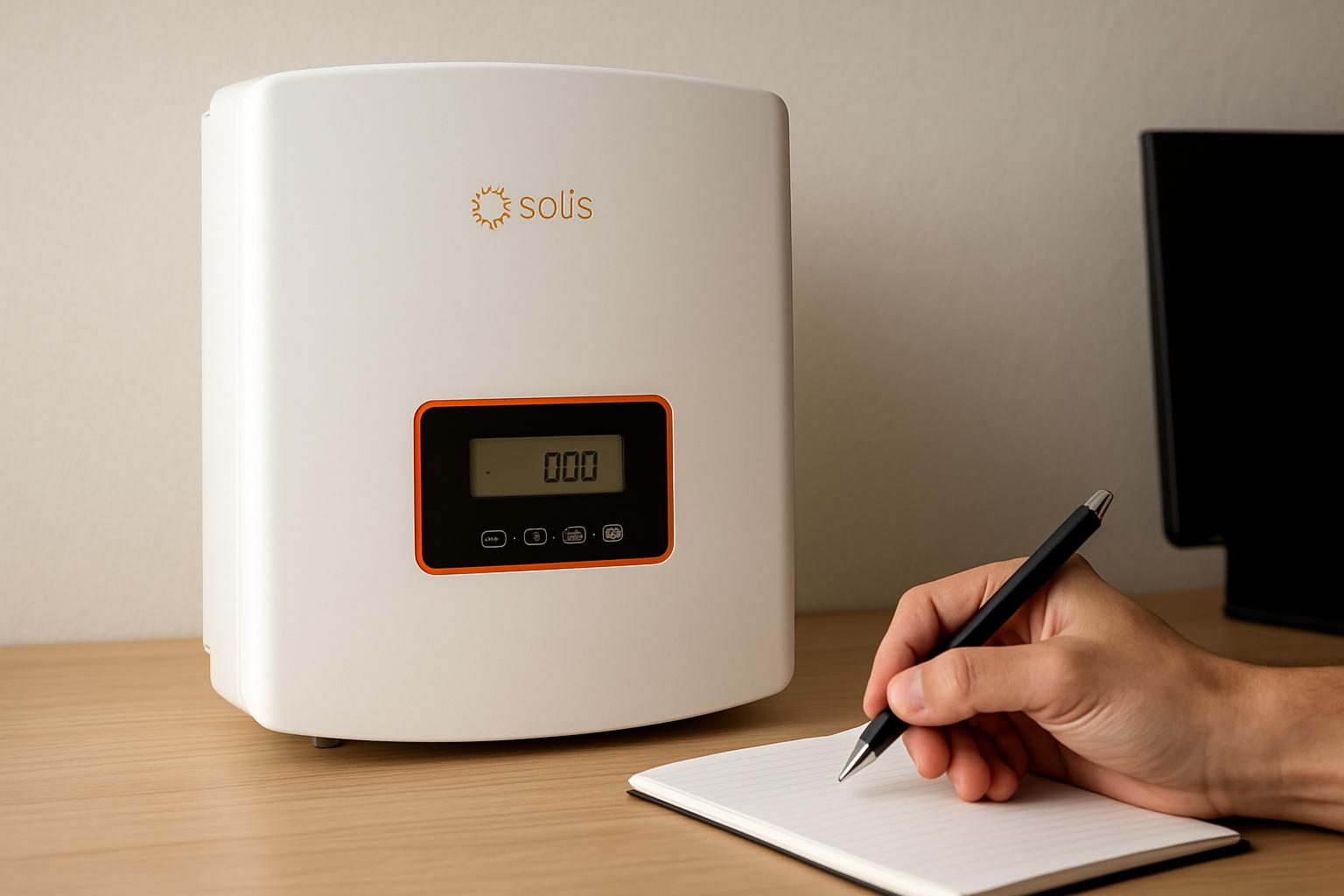
When you start shopping for residential solar equipment, the inverter often becomes the make-or-break decision. It’s the heart of any PV system, translating sunlight into usable power and deciding how much energy you actually get to use or store. This review unpacks the strengths and trade-offs of Solis inverters, explains how to pick the right model, and offers practical advice installers and homeowners can use.
Who makes Solis and why the brand matters
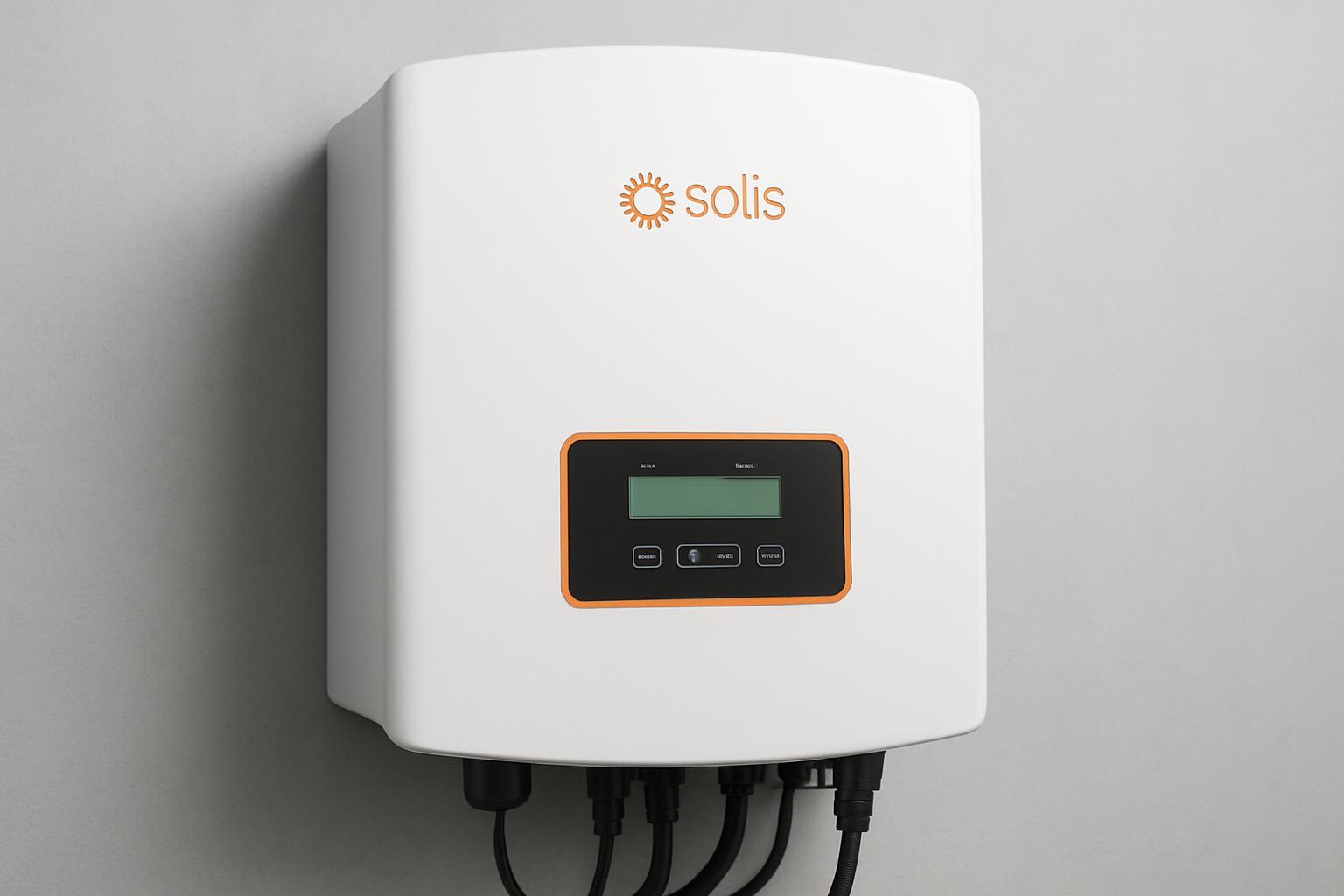
Solis is the commercial name you’ll see on a wide range of string and hybrid inverters, and the company behind the brand has grown into a global manufacturer over the last decade. The firm supplies equipment for residential, commercial, and utility-scale systems, and its products are common in markets where cost-effectiveness matters as much as performance.
Why this matters is simple: you’re not just buying a box with electronics, you’re buying into a supply chain and support network. A manufacturer’s scale affects warranty handling, replacement parts availability, and whether local installers are familiar with the product.
What Solis offers: product categories and use cases
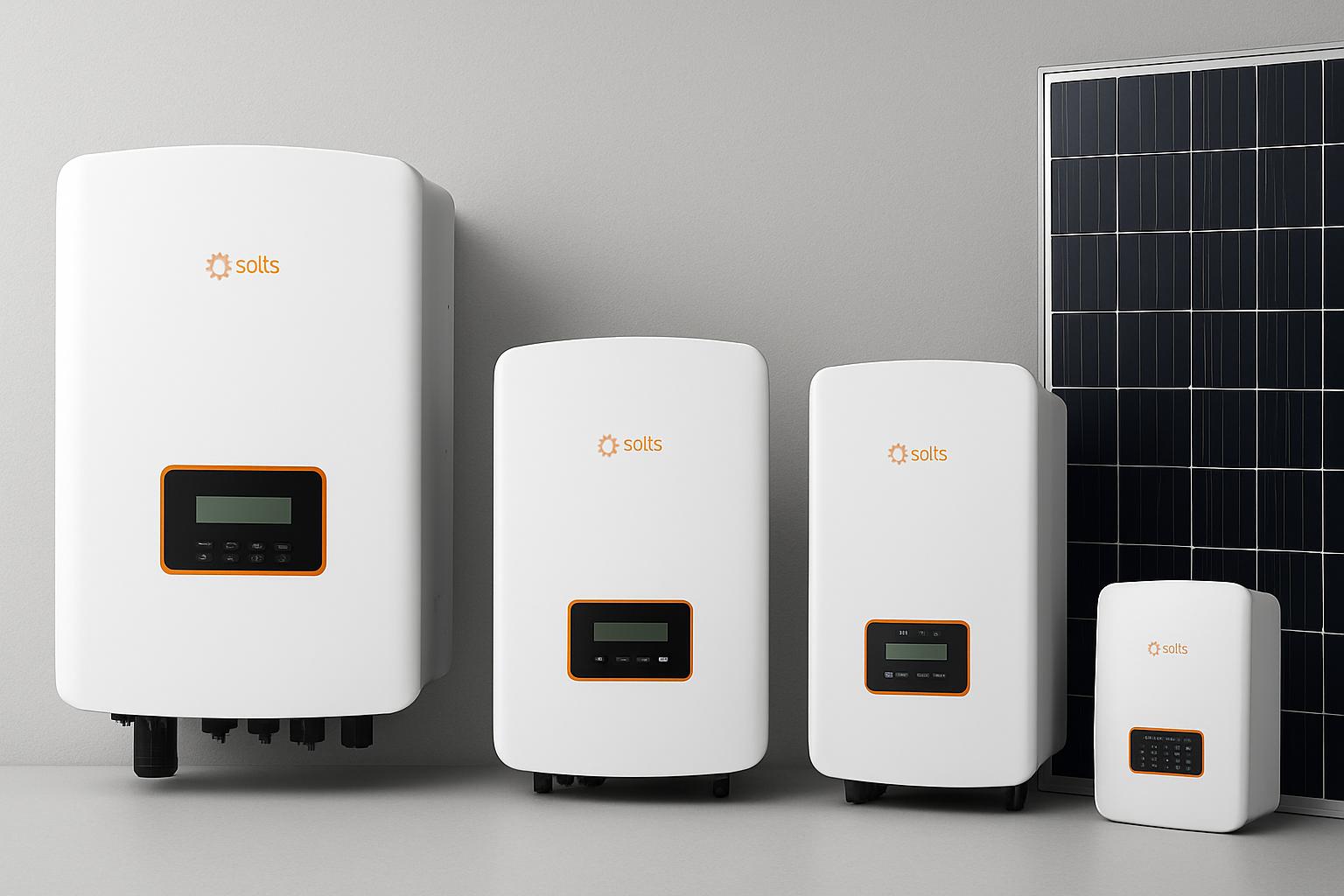
Solis makes several categories of inverters suited to different household needs: basic single-phase string inverters for straightforward rooftop arrays, three-phase models for larger homes or commercial setups, and hybrid inverters designed to work with batteries. The hybrid models enable energy storage and can support backup loads when paired with a battery bank.
From a practical standpoint, homeowners usually choose a standard string inverter when they want simplicity and low cost. Hybrid inverters attract buyers who want future-proofing: adding batteries later, enabling time-of-use arbitrage, or keeping lights on during outages.
Single-phase string inverters
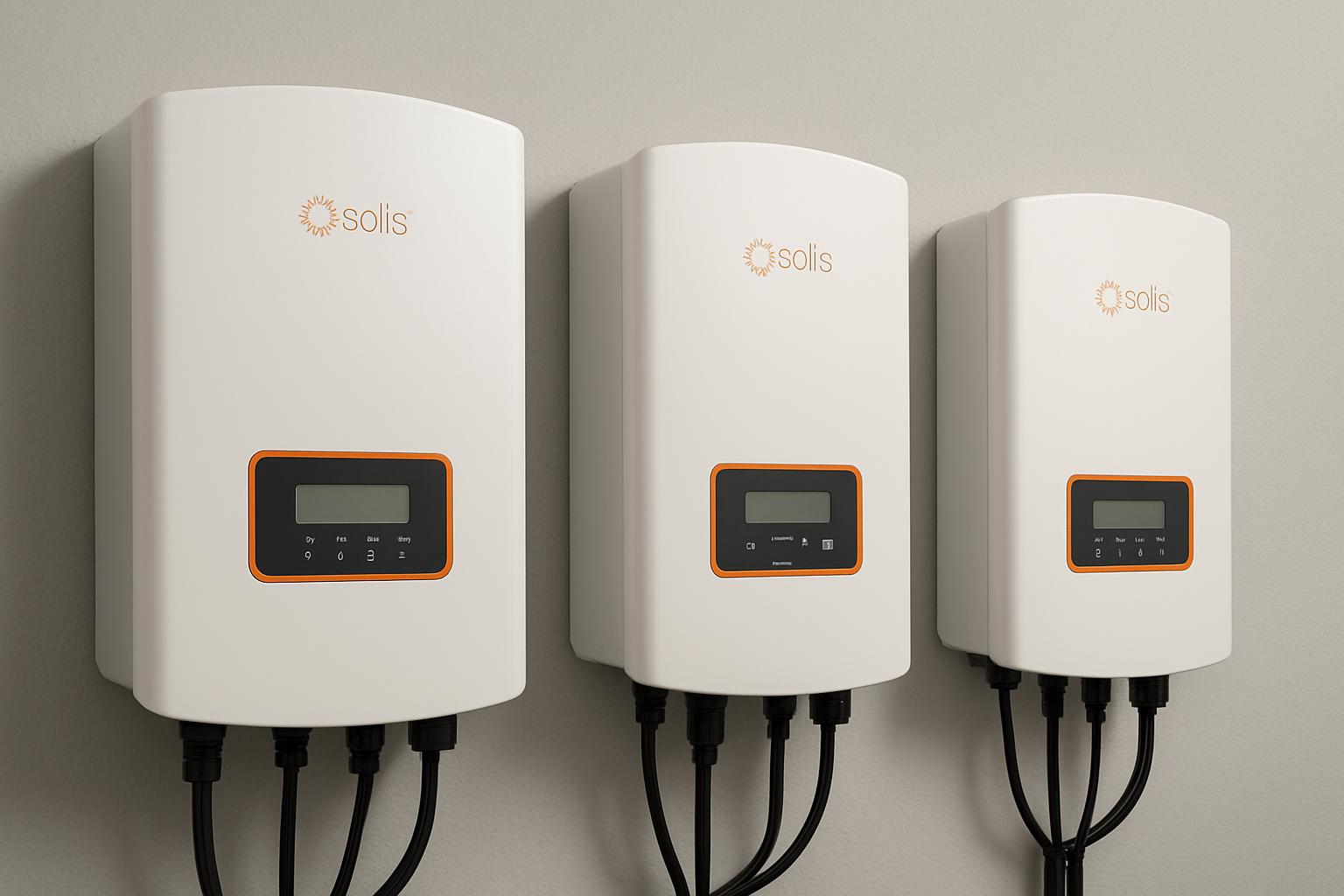
Single-phase models are the bread-and-butter residential option. They’re compact, generally less expensive, and integrate easily into typical home electrical systems. For most suburban rooftops with one household meter, a single-phase Solis inverter is a straightforward, economical choice.
These units typically offer multiple MPPT inputs to handle arrays split across different roof orientations. That flexibility matters if you have panels facing both east and west or a mix of shading conditions.
Three-phase inverters
If you have a larger property, three-phase power, or plan a high-output system, three-phase inverters distribute load and can improve balance across circuits. Commercial or multi-unit properties often use three-phase Solis inverters for those reasons. They also suit homes with heavy electrical usage or ambient conditions that favor larger systems.
Three-phase inverters tend to be more expensive and require installers who understand three-phase wiring and protection. But for the right application, they reduce the risk of overloads and can improve inverter longevity by spreading the electrical duty cycle.
Hybrid inverters and energy storage
Hybrid inverters combine solar conversion with battery management features, enabling charging and discharging of batteries either DC-coupled or AC-coupled depending on the design. For homeowners aiming to add resilience or shift consumption to cheaper tariff periods, hybrids simplify the overall system architecture. Solis hybrid models typically support on-grid operation, backup modes, and integration with common battery chemistries.
Battery compatibility and how backup is implemented (whole-home vs. critical loads) differ by model and installer setup. If backup during an outage is crucial, ask for a detailed schematic showing what circuits will be supported and whether automatic transfer is included.
Key technical features to evaluate
When comparing inverters, some numbers tell you more than marketing claims. Look at rated efficiency, number of MPPTs and their voltage ranges, AC and DC disconnect capabilities, and overload handling. These specifications determine both the short-term energy harvest and the long-term performance of your system.
Monitoring and communications are also fundamental. A good monitoring platform makes it easy to identify underperforming strings or inverter faults without a rooftop climb. Solis provides cloud-based monitoring tools in many markets, and compatibility with third-party monitoring systems can be a plus.
Efficiency and performance
Peak conversion efficiency gives you an idea of how much DC power the inverter can convert under ideal conditions. Real-world efficiency over time is influenced by thermal management, MPPT tracking, and how often the inverter operates near its rated capacity. Cooling strategies—passive versus active—can influence degradation and noise levels at the roofline.
Manufacturers often quote weighted efficiencies and top-line percentages. Use those figures as a comparison baseline rather than an absolute promise; expected annual energy yield depends on many factors beyond the inverter alone.
MPPTs and input flexibility
Maximum power point trackers (MPPTs) are where the inverter extracts the most energy from your panel strings. Multiple MPPTs allow independent optimization of arrays on different roof aspects or with mixed tilt angles. That means fewer losses when parts of the array see different irradiance or shading.
Check the MPPT voltage windows and MPPT count relative to your planned string layout. If you have mismatched string lengths or future expansion plans, a model with flexible MPPT inputs will save headaches later.
Grid features and safety
Modern inverters must meet grid interconnection requirements like anti-islanding protection, reactive power control, and low-voltage ride-through behavior for some jurisdictions. Solis equipment typically includes standard anti-islanding and grid-safety features, but the specifics depend on regional firmware and certifications. Always verify that the model you choose is certified for your local grid code.
Safety features such as built-in DC isolation, ground fault protection, and rapid shutdown compatibility are worth checking. Installers will know which devices are legally required in your area, and a properly equipped inverter can simplify the compliance paperwork.
Sizing a Solis inverter for your home
Sizing means balancing the inverter’s AC rating with the expected solar array DC power and the household’s consumption patterns. Oversizing the DC array relative to the inverter (known as DC/AC ratio) is common and can increase energy harvest during low-light conditions, but it raises the risk of clipping on very sunny days.
As a practical rule, many installers use a DC/AC ratio between 1.1 and 1.4 for residential systems, though local climate and panel performance affect the optimal ratio. Talk with your installer about whether a slightly undersized or oversized inverter suits your production goals.
Matching inverter capacity to load and future plans
Think about whether you will add batteries, expand the system, or change electric loads. If you plan to add storage or EV charging later, choosing an inverter with spare capability or hybrid options may be smarter than minimizing upfront cost. Some owners regret buying the smallest affordable inverter because upgrades later can mean replacing the unit entirely.
If your household has high peak loads—like air conditioners, heat pumps, or electric vehicle chargers—coordinate inverter selection with breaker sizing and possible demand-management features. The right inverter can help avoid repetitive nuisance tripping and can smooth peaks when combined with storage or load control.
Installation and commissioning realities
An inverter is only as good as its installation. Proper placement—ventilation, shade avoidance, and service access—will affect cooling and lifespan. Mounting on load-bearing walls with good airflow is better than squeezing the box into a tight, hot utility closet.
Commissioning involves firmware configuration, grid parameters setup, and monitoring registration. A competent installer will perform string checks, verify conductor sizing, and test islanding protection. Ask for a commissioning report and monitoring login so you can watch production from day one.
Common installer preferences
Installers often prefer inverters that are straightforward to wire and commission, with clear labeling and good documentation. Solis models tend to be straightforward in this regard, but the value of experience cannot be overstated: an installer familiar with the brand will wire faster and avoid pitfalls. If possible, select an installer who has previously commissioned multiple Solis systems.
Availability of spare parts and replacement units is another installer concern. A manufacturer with a broad distribution footprint reduces downtime in the event of a warranty repair. Ask your installer about local stock and lead times before signing a contract.
Performance and reliability in the real world
On paper, many inverters look similar. The differentiator is how consistent they remain after years of thermal cycling and weather exposure. Homeowner reports and installer feedback generally place Solis within the mid-to-upper range for reliability among mainstream brands. Systems with proper ventilation and correct sizing tend to age well.
Failures do happen with any manufacturer, and response times for warranty support vary by region. Evaluating service networks—how quickly a company can dispatch a replacement or authorize a repair—matters more than a marginal gain in nameplate efficiency.
Monitoring and identifying underperformance
Cloud monitoring makes it easier to spot string-level drop-offs before they become full inverter faults. Solis’ monitoring solutions, where available, provide production dashboards and error logging. Regularly checking the portal or app helps you spot panel issues, shading changes, or wiring faults early.
When performance is low, a systematic approach helps: compare the inverter’s reported DC input and AC output over several days, review the historical generation curve, and check for firmware updates. Installers appreciate a homeowner who brings their monitoring data to service calls rather than guessing at the problem.
Warranty, support, and software
Warranty length and what it covers are essential buying factors. In many markets, Solis offers a standard manufacturer warranty, and extended warranty options may be available through distributors or installers. Read the fine print: warranties vary in whether they cover replacement units, labor, or shipping costs.
Software updates can improve stability and add features over time. Check whether the inverter’s firmware can be updated remotely and whether the manufacturer actively releases updates to address bugs or grid-code changes. An actively maintained product is less likely to be obsoleted by new regulatory requirements.
Monitoring platforms and user experience
Usability of the manufacturer’s monitoring portal is often underestimated. A well-designed dashboard gives clear daily yield, lifetime energy, and alarm notifications. If you plan to manage the system yourself, test the monitoring app during installation and make sure you have convenient access via phone and web.
Integration with third-party home energy management systems can broaden functionality. For example, linking inverter output to a smart thermostat, EV charger, or home battery management system enables automated energy shifting. Ask your installer about API availability and supported integrations.
Costs and value: what you actually pay for
Inverter cost is a significant portion of a solar system’s hardware budget, but it’s not the only cost. Installation labor, permitting, racking, and wiring add up. Comparing quotes on a per-watt basis can be helpful, but factor in warranty terms and anticipated lifetime performance.
Less expensive inverters can yield attractive short-term savings but may cost more in downtime or early replacement. Conversely, paying a premium for a top-tier brand sometimes buys only marginal gains in efficiency. For many homeowners, Solis strikes a balance between cost and features.
Return on investment considerations
To evaluate ROI, estimate annual generation, factor in utility rates and time-of-use differentials, and include potential battery savings. If you plan to finance the system, include financing costs when measuring payback. An inverter that supports battery integration can increase long-term value if you later adopt storage.
Rebates or incentives sometimes require certain certifications or inverter features. Confirm eligibility before purchase so you don’t lose access to rebates due to a mismatched component choice.
Pros and cons at a glance
Summarizing trade-offs helps frame the choice. On the plus side, solis-brand inverters are known for competitive pricing, a broad product lineup, and adequate feature sets for most residential systems. The downsides are that some high-end features found on premium brands may be absent or that regional support can be variable.
- Pros: cost-effective, broad product range, suitable for many residential applications.
- Cons: regional support varies, advanced features may lag premium competitors.
How Solis stacks up against competitors
Comparisons depend on what you value: raw efficiency, advanced power electronics, or ecosystem features. Premium brands sometimes offer slightly higher efficiencies, more refined monitoring, or unique warranties. Solis tends to position itself on the value side—offering solid performance for a lower price point.
Microinverter solutions and power optimizer systems approach the same problem differently, giving better per-panel optimization at higher cost. If your roof has heavy shading or many orientations, microinverters or optimizers might beat any string inverter. For relatively uniform roofs, solis string inverters usually deliver the best dollar-per-watt outcome.
Practical tips from installers and homeowners
Installers consistently recommend getting the inverter installed in a shaded, ventilated location where service calls are easy. That reduces heat stress and makes future troubleshooting simpler. Placing the inverter where it can be seen from a window or easily accessed also encourages homeowners to keep an eye on production.
When securing quotes, ask for a line-item breakdown of each component and labor. Look for anything marked as optional to avoid surprise add-ons on the invoice. Also ask about commissioning documentation, monitoring login, and local warranty handling so you’re not surprised months later.
Troubleshooting common issues and simple fixes
Some common problems owners encounter include communication errors with the monitoring portal, inverter alarms, and unexpected drops in daily generation. Many issues have straightforward checks: verify the AC connection and breakers, confirm the DC fuses and string voltages, and check that the inverter’s firmware is current.
If the inverter displays a persistent error code, record it and consult the installer or the manufacturer’s support documentation. Avoid opening the inverter yourself: internal components carry hazardous voltages even when off. A reputable installer should include fault diagnosis in their service offering.
Steps to take after a production drop
Start with the simple things: check the monitoring app for string voltages, compare production to the same day of the previous week, and inspect visible components for damage or shading. If panels appear clean and the inverter logs look normal, ask the installer to perform an on-site inspection and IV curve testing if necessary.
Documenting dates, weather, and any changes to nearby structures or foliage helps narrow causes. Many production drops are due to new shading from trees or seasonal changes in sun angle rather than equipment failure.
Buying advice and how to vet installers
Pick installers who can show a portfolio of completed, commissioned systems—preferably with systems similar to what you want. Request references and ask whether they do their own warranty work or rely on the manufacturer’s service network. A local installer who handles warranty repairs in-house can speed up fixes.
Get multiple quotes and compare like-for-like: identical panel counts, same inverter model, and equivalent racking and electrical components. Beware of quotes that omit critical items like surge protection, AC/DC disconnects, or monitoring setup—those often turn into costly add-ons later.
FAQs homeowners ask most often
Homeowners frequently ask whether Solis inverters support two independent roof orientations, whether they can be used with batteries, and how long they typically last. In general, look for models with multiple MPPTs for mixed orientations, hybrid models for storage compatibility, and ensure the inverter’s warranty matches your expectations for service life.
Another common question is about noise. Inverters with active cooling fans produce audible sound—important if the unit is near living spaces. If noise is a concern, ask for a model with passive cooling or install the unit where noise won’t be intrusive.
Sample specification checklist before purchase
Use a short checklist to ensure you compare apples to apples. Confirm AC output rating, MPPT count and voltage range, grid compliance certifications for your region, warranty length and scope, monitoring capabilities, and battery compatibility if you plan to store energy. This prevents surprises during installation and early operation.
| Item | What to verify |
|---|---|
| AC rating | Matches household load profile and breaker limits |
| MPPTs/inputs | Enough MPPTs for your roof orientations and string layout |
| Monitoring | Accessible app/web portal and alarm notifications |
| Certifications | Local grid code approval and safety listings |
| Warranty | Duration, coverage, and extension options |
A word on longevity and future-proofing
Technology and grid rules evolve, and the inverter you buy today should not lock you into an inflexible system. Choosing a model that supports firmware updates, offers battery integration options, and provides open monitoring can protect your investment. Solis models often support these practical needs, but confirm each detail for the specific model you’re considering.
Finally, treating the installation with care—appropriate ventilation, correct stringing, and conservative thermal margins—keeps the inverter operating reliably longer than chasing the last decimal of efficiency on a brochure.
Wrapping up your decision
Buying an inverter is an exercise in balance: cost, features, service, and long-term support all matter. Solis offers options that appeal to value-conscious homeowners who want a reliable product without the premium price of some competitors. If you prioritize easy upgrades, good monitoring, and a familiar installer, a solis inverter can be a sensible central piece of a residential solar system.
Ask for detailed specs, compare installation practices and warranty handling, and choose an installer who will stand by the work. That combination—sound hardware plus competent installation—determines whether your system will meet expectations for decades of clean energy production.
